
How Australian Music Teachers Can Stay Current with Emerging Audio Solutions

Exploring Emerging Audio Solutions
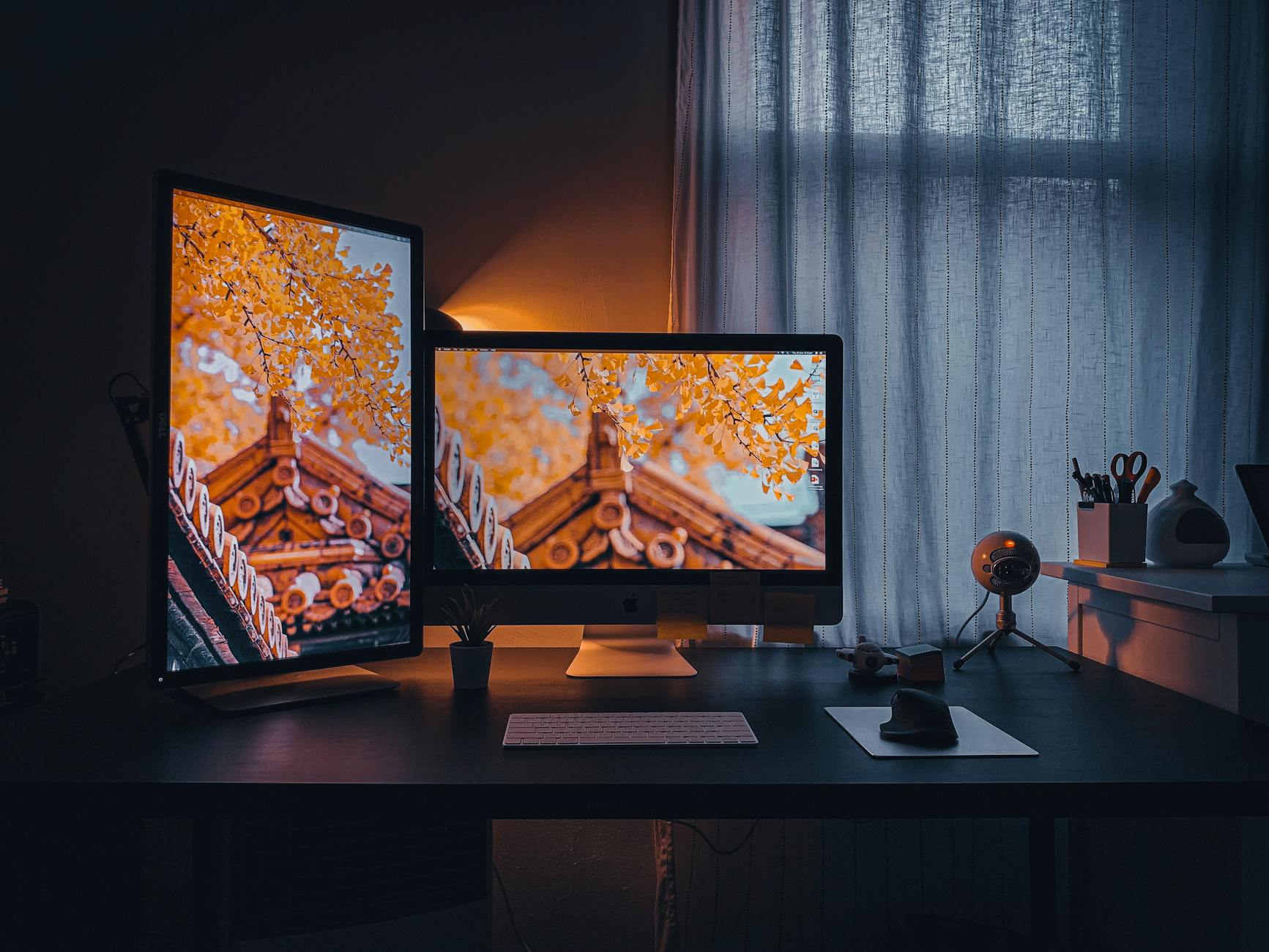
Melbourne boasts a vibrant music scene, with the Melbourne Recital Centre standing as a symbol of the city's dedication to music and its innovations. As someone immersed in this environment, I often find myself reflecting on the emerging audio solutions that shape our craft. The trend of using a recording microphone to capture every nuance of a performance is gaining traction. These microphones are evolving in response to our changing needs, striving for both versatility and precision.
Musicians like us, who aim for authentic soundscapes, have seen innovations such as USB microphones that offer studio-quality recordings in varied environments. These tools reduce the barriers to achieving professional sound right from the comfort of our own studios, like those found at Melbourne University.
Moreover, cutting-edge developments in digital interfaces and audio-processing software have revolutionized the way we produce music. High-resolution audio formats now elevate the clarity and richness of sound, giving us the ability to capture intricate details.
To stay ahead, regularly investigating new technologies is crucial. Workshops and seminars held in spaces like the Arts Centre Melbourne often provide insights and hands-on experiences. Engaging with these emerging trends ensures that we can continue to create music that resonates with our authentic voice while pushing the boundaries of production quality.
Integrating Technology in Teaching
Techniques for Modernising Curriculum
As a music mentor based near the vibrant pulse of Melbourne University's music studios, I've witnessed how incorporating cutting-edge technology profoundly transforms teaching. One key approach is integrating broadcast solutions into the curriculum, allowing students to engage with music production and live sound environments more effectively. By doing this, we not only provide theoretical knowledge but also offer practical, hands-on experiences.
A modernised curriculum may include:
- Digital Audio Workstations (DAWs): DAWs enable students to compose, edit, and produce music using advanced software, thereby broadening their understanding of contemporary music production.
- Online Collaborations: Encourage students to work on projects with peers around the world using platforms that support real-time collaboration.
- Virtual Reality Experiences: Immerse students in innovative soundscapes using VR to simulate live performances and studio sessions.
By seamlessly integrating these digital tools, educators can elevate their lessons and truly capture the interest and imagination of today’s tech-savvy learners. Through the experiences local to the Melbourne Recital Centre and the collaborative environment of Arts Centre Melbourne, students can witness firsthand how technology shapes the music industry, thus enriching their overall learning journey.
Building Professional Skills
Continuing Education Resources
Musicians in Melbourne have a wealth of continuing education resources at their fingertips, especially if you aim to elevate your craft. One key resource to consider is the array of workshops and masterclasses regularly held at the Melbourne Recital Centre. These sessions are designed to offer deeper insights into various music genres and techniques and are perfect for both budding and seasoned musicians aiming to hone their skills further.
Beyond workshops, Melbourne University offers various certificate courses and diplomas that focus on music production and composition. These programs can provide valuable formal training and are ideal for those looking to expand their technical knowledge and professional acumen in music-related fields.
Networking with Industry Experts
Building a robust professional network is indispensable for anyone venturing into the music industry. Frequenting cultural events at prestigious venues like the Melbourne Recital Centre or the Arts Centre Melbourne is an excellent way to meet industry experts. Here, you can exchange ideas, tap into mentorship opportunities, and potentially collaborate on innovative projects.
Moreover, attending conferences and forums dedicated to the latest developments in music technology can be invaluable. These gatherings often feature demonstrations of tools like loudspeakers that can drastically enhance your soundscape creativity.
Online Communities and Forums
For a more flexible approach to professional development, consider engaging with online communities and forums. Platforms like music-centric subreddits and dedicated Facebook groups allow you to interact with like-minded individuals, who can offer peer support and share experiences with new gear or recording techniques. These spaces are rich with crowd-driven insights that can help you pinpoint the exact recording setup that fits your needs and budget.
Best Practices
Effective Equipment Evaluation
In our ever-evolving world of music, choosing the right equipment is like selecting the perfect companion for your musical journey. At the heart of the bustling arts scene in Melbourne, places like the Melbourne Recital Centre often showcase the latest audio solutions, providing a trusted compass for navigating the vast array of choices. Start by listing your must-haves: do you need refined acoustics for intimate settings or robust tech for larger venues? Testing gear at the music studios at Melbourne University can be invaluable, as the hands-on experience offers a clearer sense of each piece's capabilities.
Strategies for Sustainable Learning
Sustainable learning in music education isn't just about keeping up-to-date with trends; it's about fostering an enduring relationship with music technology. Incorporating online courses and workshops offered at Arts Centre Melbourne ensures that one's skills remain relevant. In our tightly-knit musical community, sharing resources and experiences can help bridge gaps in knowledge. This approach also nurtures creativity, encouraging learners to experiment and, ultimately, innovate within their craft.
Collaboration with Fellow Educators
For those of us deeply embedded in music education, collaboration is a lifeline. Engaging with fellow mentors amplifies our collective expertise and brings fresh perspectives into our teaching. Consider regular meet-ups with local educators to share strategies and insights, a practice that holds particular weight in our vibrant Melbourne scene. By attending local cultural events, you not only get a taste of diverse musical influences but also have serendipitous opportunities to network—fostering connections that could drive meaningful collaborations.
Through these practices, we immerse ourselves and our students in a rich tapestry of knowledge, ensuring we stay at the forefront of music education and composition.